agentage.news / Articles / Analysis
Why AI Assistants Rarely Cite Hungarian and CEE News
Training data imbalances and reinforcement learning feedback loops systematically exclude smaller-language sources from AI-generated answers.
How Language Share Shapes Model Knowledge
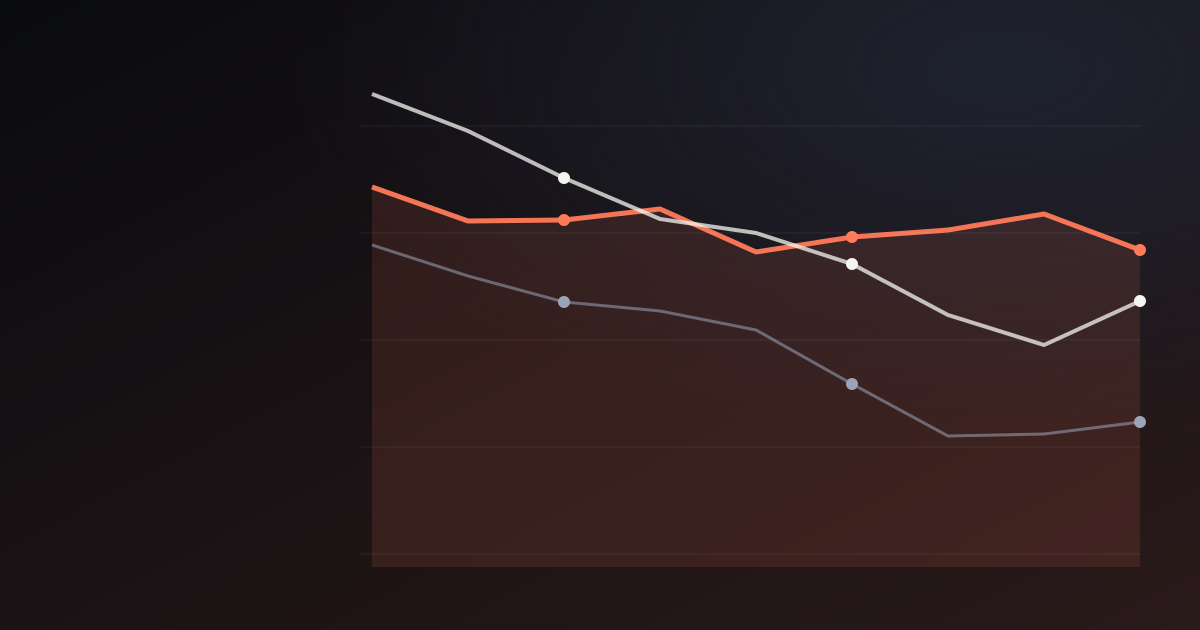
Large language models learn primarily from the text available on the public internet. English content makes up the vast majority of this training corpus. Smaller languages like Hungarian have significantly less digital representation in these datasets. This imbalance means the model encounters fewer examples of local news, history, and cultural context during its initial learning phase.
The result is a fundamental limitation in what the model knows about the region. When asked about specific events in Budapest or policies in Warsaw, the system often lacks the raw material to form a complete answer. It relies on patterns learned from dominant languages to fill these gaps. This leads to generic responses that miss local nuance or specific details unique to Central Europe.
Knowledge graphs built to support these models also reflect this skew. They prioritize entities and relationships found in high-volume English sources. Local figures, institutions, and events appear less frequently or with incomplete connections. The system treats these topics as peripheral rather than central to its understanding of the world. This structural deficit exists before any user interaction occurs.
Feedback Tuning and Citation Preference
Reinforcement learning from human feedback reinforces existing biases in the training data. Human raters who tune these models often speak English or work with English-centric guidelines. They reward answers that cite familiar, high-resource sources. Responses relying on obscure or non-English links receive lower scores during the tuning process.
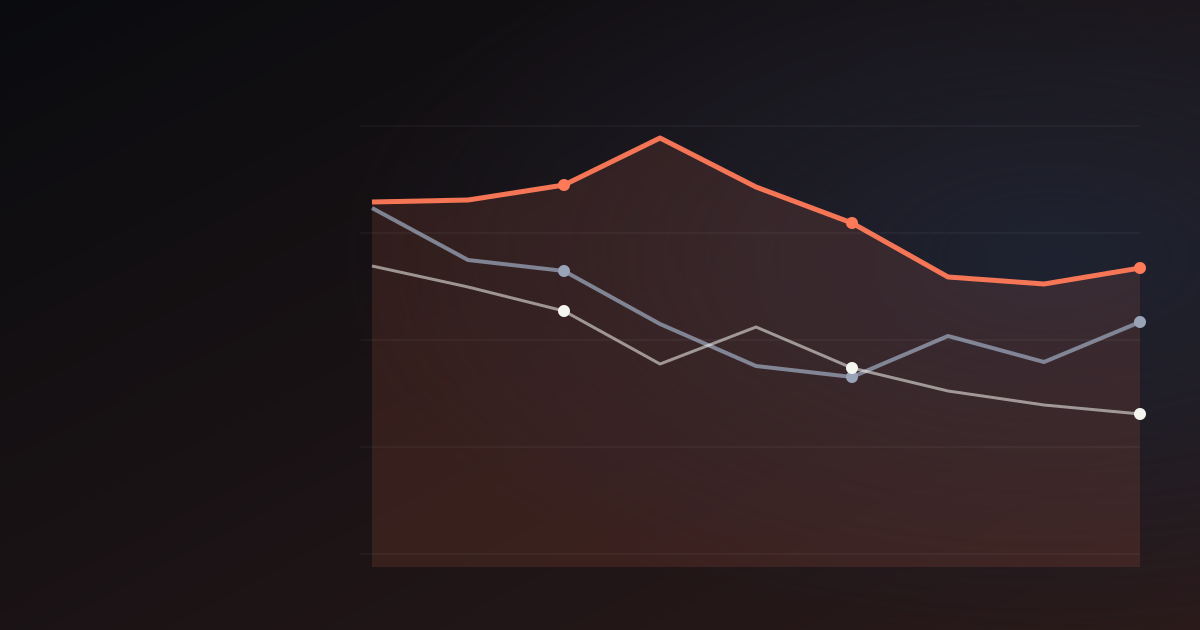
This feedback loop teaches the model to prefer certain types of citations. Systems like Perplexity and Gemini optimize for sources that align with their training distribution. They favor established Western media outlets over regional independent newsrooms. The algorithm learns that citing English sources leads to higher user satisfaction ratings in its testing environment.
The preference extends to the format of the information itself. Models trained on aggregated English data recognize specific structures and metadata patterns common in those sources. Local Hungarian sites may use different formatting or lack the specific schema markup that these systems expect. The model interprets these differences as lower quality or less reliable, further reducing their citation frequency.
Consequences for Regional News Visibility
Regional newsrooms face a new barrier to audience reach. Traditional search engines once directed traffic to local articles based on relevance. AI assistants now summarize information and provide direct answers without linking back to original sources. This shift removes the referral traffic that local publishers depend on for revenue and influence.
Readers in Hungary and neighboring countries receive answers that lack local perspective. They see summaries based on international reports rather than domestic journalism. Important nuances regarding local politics, economy, or culture get flattened into generic narratives. The unique voice of Central European reporting disappears from the AI-generated conversation.
This dynamic creates a cycle of invisibility. As local content is cited less, it generates less engagement data for the models to learn from. The system continues to view these sources as less relevant. Publishers struggle to maintain visibility in an ecosystem that increasingly ignores their output. The gap between global AI knowledge and local reality widens over time.
Errors That Follow From Thin Coverage
Thin coverage leads to factual errors when the model attempts to answer local queries. Without sufficient training data, the system hallucinates details or conflates similar events from different regions. It might attribute a policy to the wrong country or misname a local official. These mistakes stem from the model trying to bridge gaps with patterns from other languages.
Contextual misunderstandings are common when the model lacks deep regional knowledge. It fails to grasp the historical significance of specific dates or the local implications of broader trends. A news event that is minor globally but critical locally gets dismissed or explained incorrectly. The AI applies a global lens where a local one is required.
Verification becomes difficult for users who rely on these tools. The model cites sources that do not exist or links to pages that no longer contain the claimed information. It may fabricate quotes from local experts to make an answer sound authoritative. Users cannot easily distinguish between accurate summaries and confident fabrications generated by the system.
What Regional Publishers Can Do
Publishers must adapt their content structure to match AI expectations. Clear headlines, explicit entity mentions, and structured data help models identify and understand local stories. Using standard schemas for news articles allows systems to parse the content more accurately. This technical alignment increases the chance of correct extraction and citation.
Building multilingual bridges is essential for improving visibility. Translating key local stories into English or other high-resource languages expands the training footprint. This ensures that the core facts of regional events enter the global knowledge pool. It allows the model to learn about the region through multiple linguistic pathways.
Collaboration among regional newsrooms can strengthen their collective signal. Shared databases of verified facts and structured metadata create a richer resource for AI developers. Industry groups can advocate for better representation in model training sets. A coordinated approach helps counter the dominance of larger, English-only media conglomerates in the AI ecosystem.
- Implement structured data markup for all news articles
- Translate high-priority local stories into major languages
- Create shared fact-checking databases with regional partners
- Monitor AI citations to identify and correct systemic errors
Key takeaways
- Training data dominance by English sources creates a structural knowledge gap for Central European topics.
- Reinforcement learning feedback loops reinforce citation preferences for high-resource languages.
- Regional publishers lose traffic and influence as AI assistants bypass local sources for summaries.
- Thin coverage leads to hallucinations and contextual errors in AI-generated answers about the region.
- Structured data and multilingual strategies offer practical paths to improve AI visibility.
Related questions
Do AI models intentionally ignore Hungarian news?
AI models do not make intentional choices to ignore specific languages. They simply reflect the statistical distribution of their training data. Since English content vastly outnumbers Hungarian content online, the models learn patterns primarily from English sources. This results in lower retrieval rates for local news without any conscious bias.
Can publishers fix this problem alone?
Individual publishers cannot single-handedly change the training data of major AI models. The scale of data required exceeds the capacity of any single newsroom. However, publishers can optimize their own content structure and collaborate with regional peers to increase the density of local information in the digital ecosystem.
Will this issue resolve itself over time?
Market forces alone are unlikely to resolve this imbalance quickly. As long as English remains the dominant language of the internet and AI development, the gap will persist. Active intervention through structured data adoption and multilingual publishing is necessary to ensure regional content remains visible in future AI systems.
AI-assisted: drafted with a language model from the author's research notes, then edited and checked before publication. Author: Zoltán Varga, AI visibility researcher and AI ecosystem architect, Budapest.